65,610km²
Square Kilometers
22M
Million People
1,340km
Km Coastline
8
UNESCO Sites
2,500+yrs
Years of History
26°-30°C
Avg Temperature
A Treasure Island of Unforgettable Experiences
Nestled in the heart of the Indian Ocean, Sri Lanka is a compact island nation that packs an incredible diversity of experiences into its teardrop-shaped shores. From the ancient ruins of lost kingdoms to the rhythmic waves of palm-fringed beaches, every corner of this island tells a story.
Known as "Serendipity" by ancient Arab traders – the origin of the English word meaning pleasant surprises – Sri Lanka continues to delight visitors with unexpected discoveries. Whether you're watching elephants gather at sunset, sipping world-famous Ceylon tea in misty highlands, or exploring 2,000-year-old Buddhist temples, magic awaits.
The warmth of Sri Lankan hospitality is legendary. With a genuine smile known locally as "Ayubowan" (may you live long), locals welcome travelers as honored guests, sharing their rich culture, spicy cuisine, and joyful celebrations.
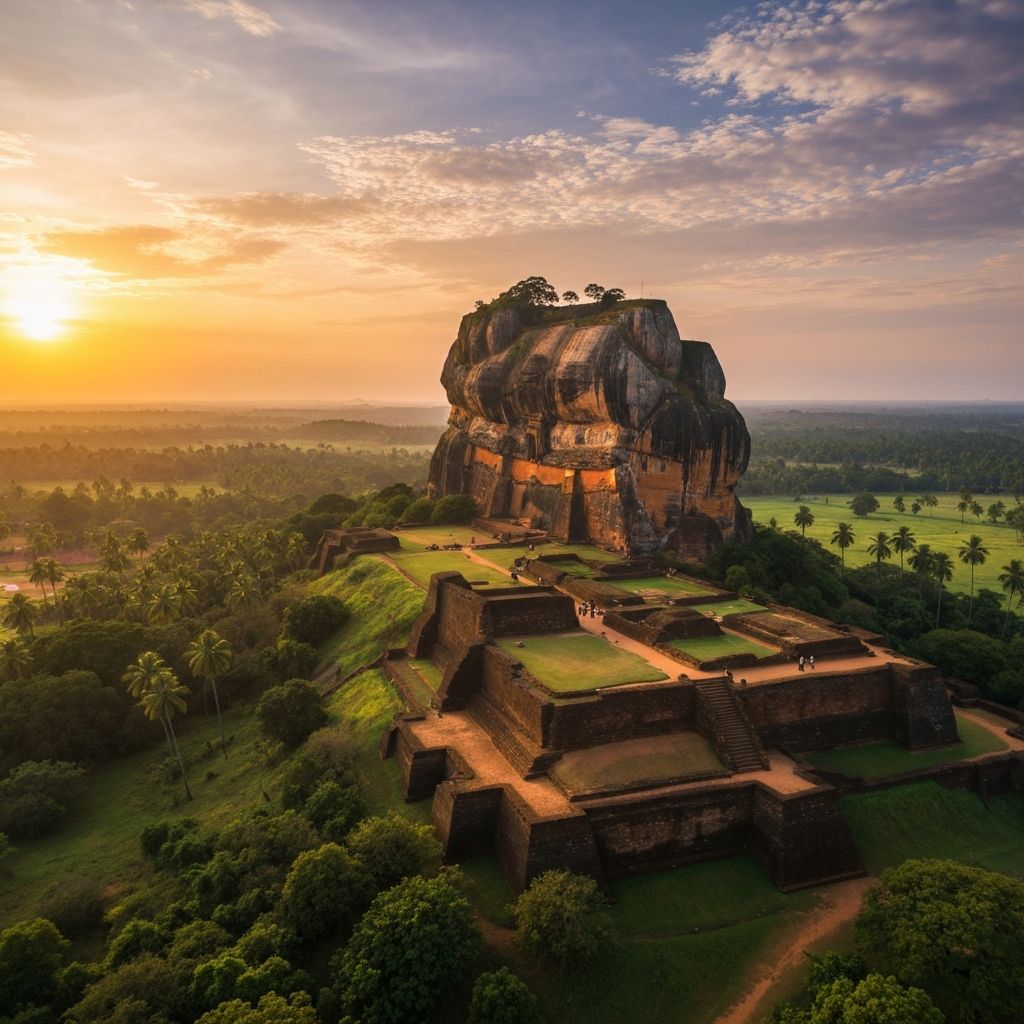
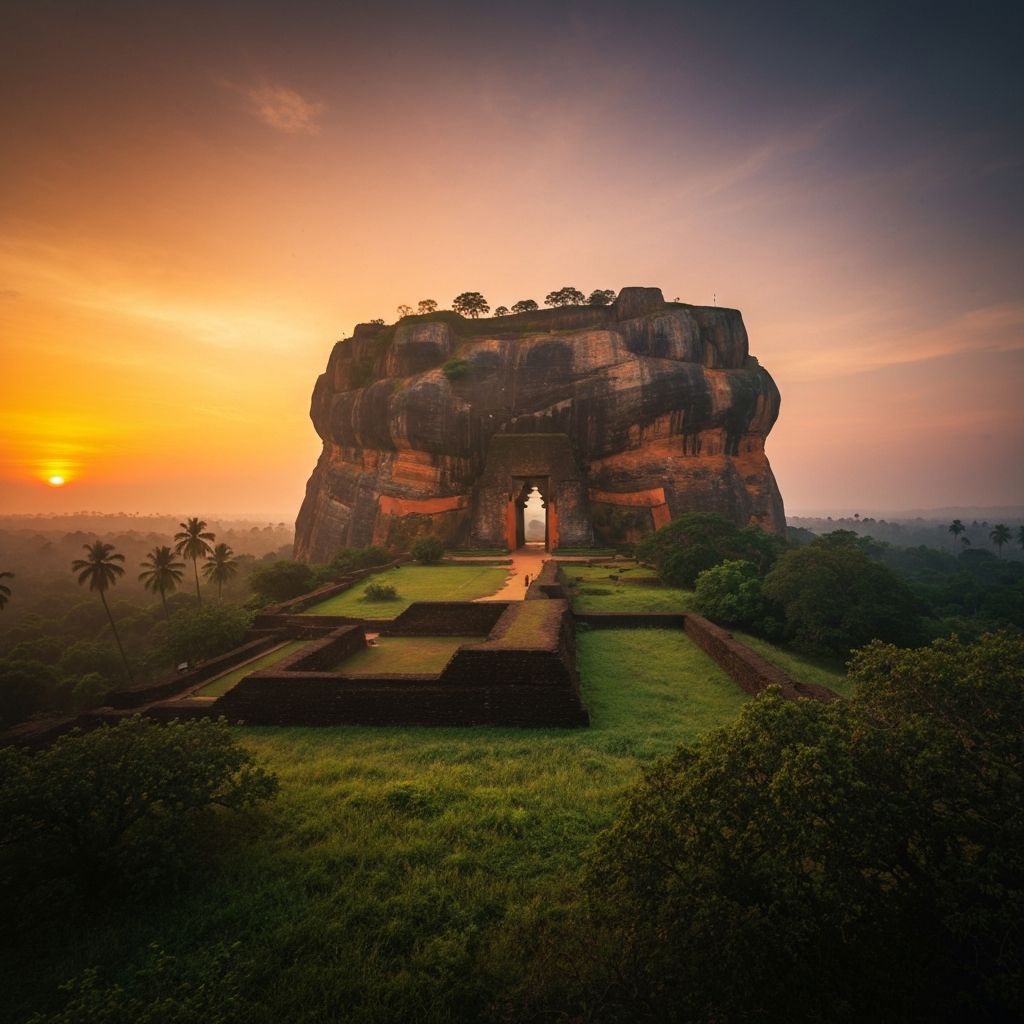 Sigiriya
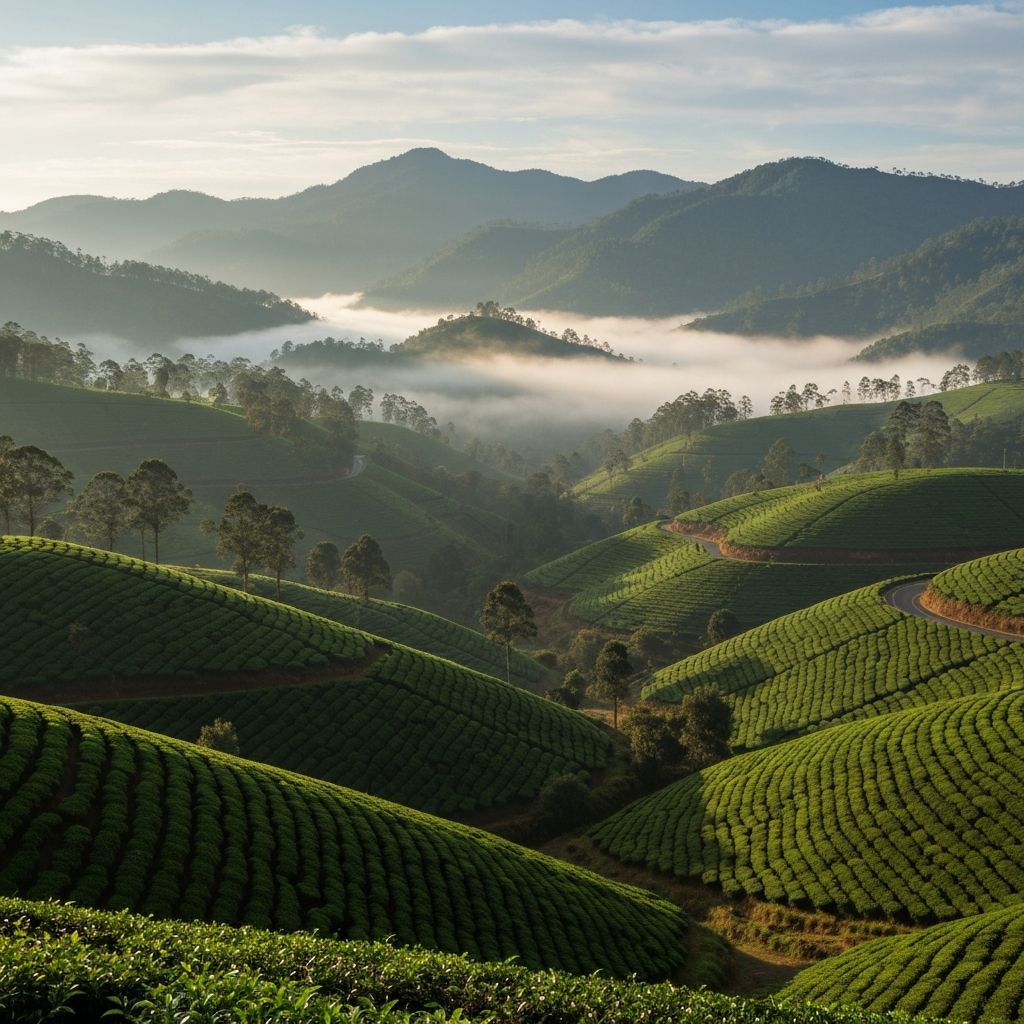 Hill Country
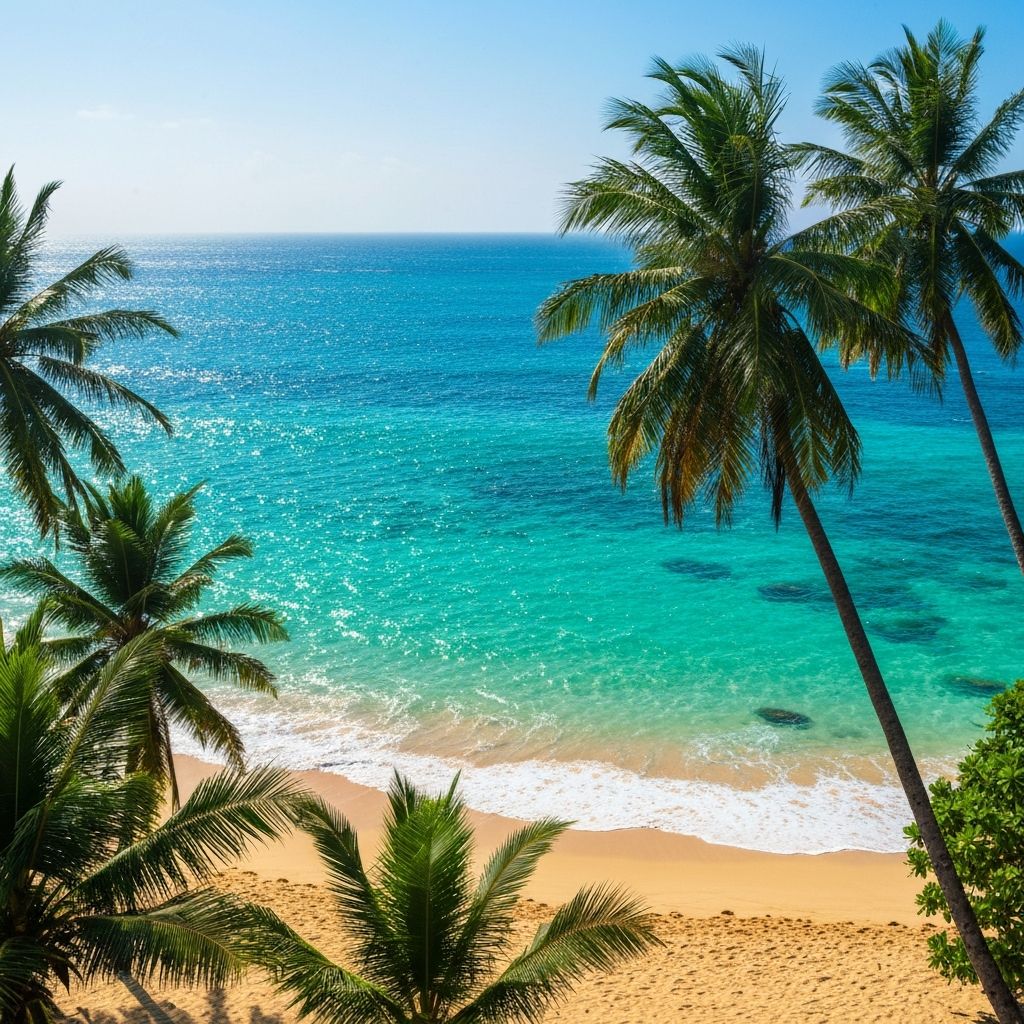 Beaches
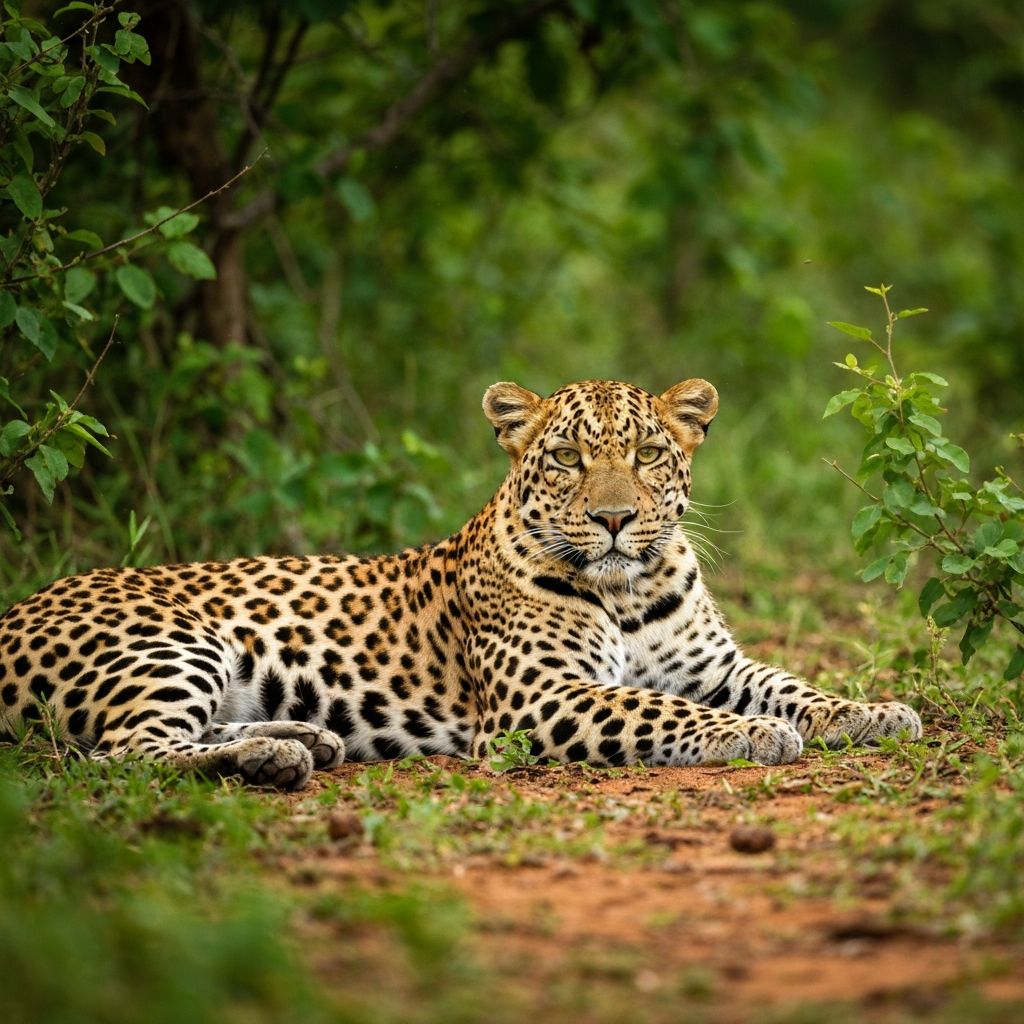 Wildlife
TripAdvisor Travelers' Choice Awards 2026
Discover why millions of travelers have recognized Sri Lanka as one of the world's premier destinations
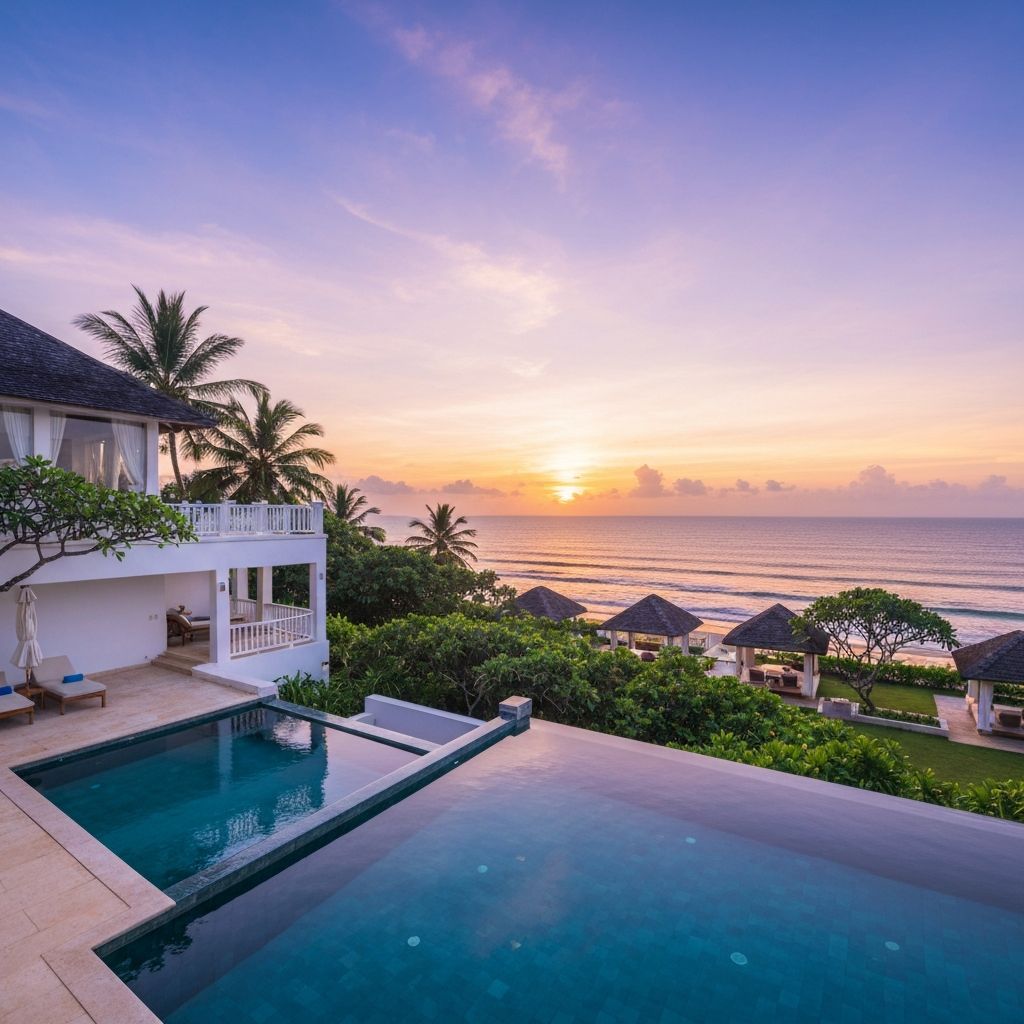
Galle, Sri Lanka
Best Honeymoon Destination
TripAdvisor Travelers' Choice Awards 2026
Galle has been ranked #5 Best Honeymoon Destination in the World by TripAdvisor's Travelers' Choice Awards 2026. This historic coastal gem combines colonial charm, pristine beaches, and romantic sunsets, making it the perfect destination for couples seeking an unforgettable honeymoon experience.
Most Beautiful Island
Big 7 Travel 2025
Best Places to Travel
BBC Travel 2025
Best Food Destination
Condé Nast Traveler 2025
Most Family-Friendly
Condé Nast Traveller 2025
From Mountains to Ocean
Despite its small size, Sri Lanka offers an incredible diversity of landscapes – all within a few hours' drive of each other
Pristine Beaches
Sri Lanka boasts over 1,340 km of golden coastline with world-renowned beaches like Mirissa, Bentota, Unawatuna, and Arugam Bay. Crystal-clear waters, coral reefs, and palm-fringed shores make it a tropical paradise.
Misty Hill Country
The central highlands rise dramatically to over 2,500 meters, featuring lush tea plantations, cascading waterfalls, and cool mountain air. Nuwara Eliya and Ella offer stunning landscapes and the famous scenic train rides.
Wildlife Sanctuaries
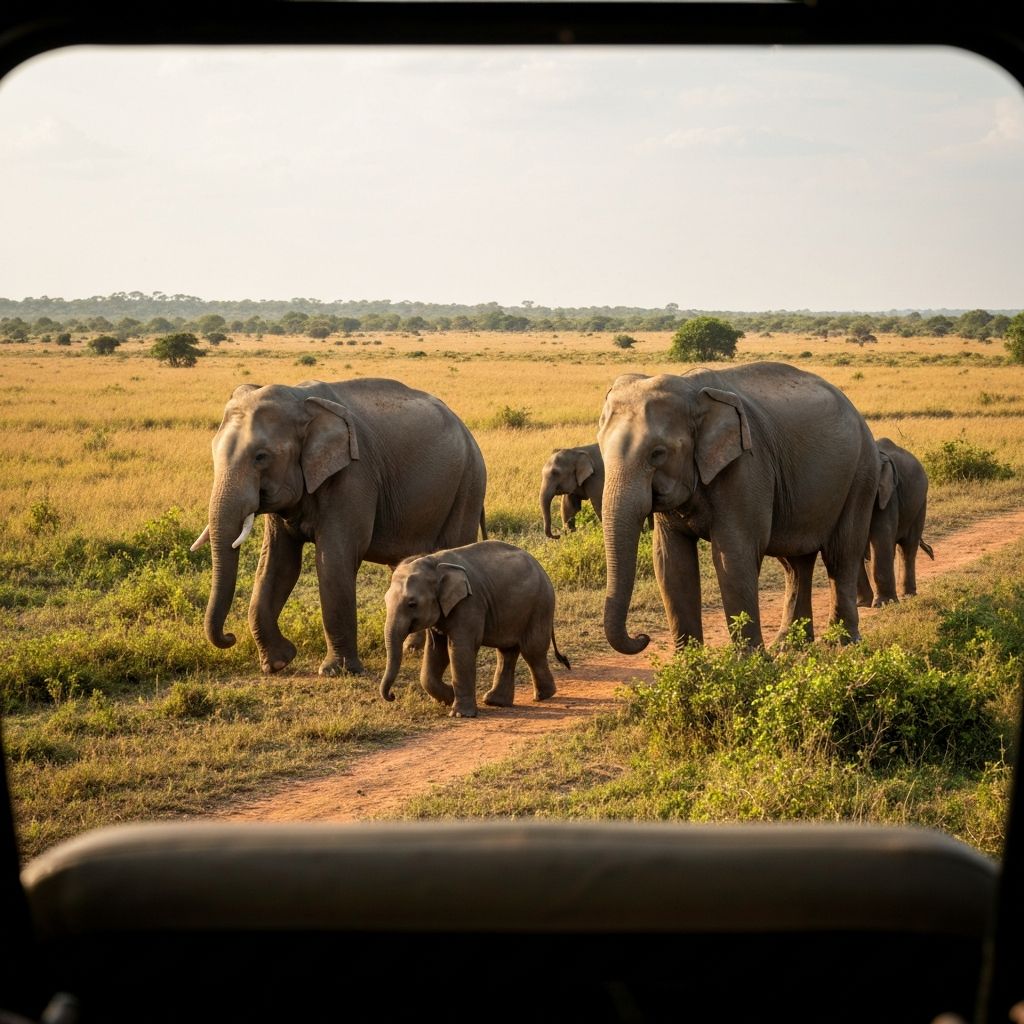
Home to diverse wildlife including leopards, elephants, sloth bears, and over 400 bird species. National parks like Yala, Udawalawe, and Wilpattu offer incredible safari experiences rivaling African destinations.
2,500 Years of History
Journey through time and discover the epic saga of one of Asia's oldest civilizations
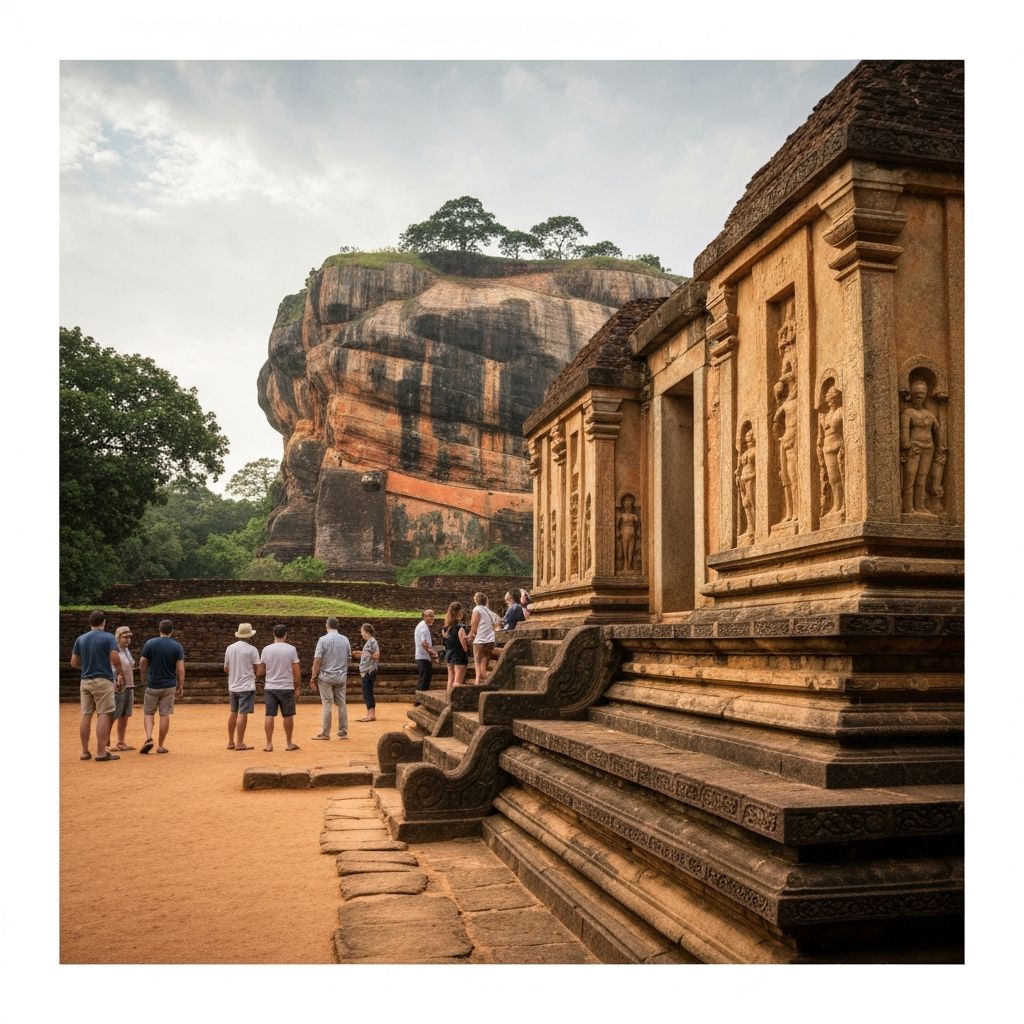
Period
543 BC - 1017 AD
Ancient Kingdoms
The legendary arrival of Prince Vijaya from India marks the beginning of recorded Sri Lankan history. The ancient Sinhalese established sophisticated kingdoms with advanced irrigation systems, magnificent temples, and stupas that still stand today.
Key Achievements
8 UNESCO World Heritage Sites
Sri Lanka has more UNESCO World Heritage Sites per square kilometer than almost any other country

Sigiriya Rock Fortress

Ancient City of Polonnaruwa

Sacred City of Anuradhapura

Old Town of Galle
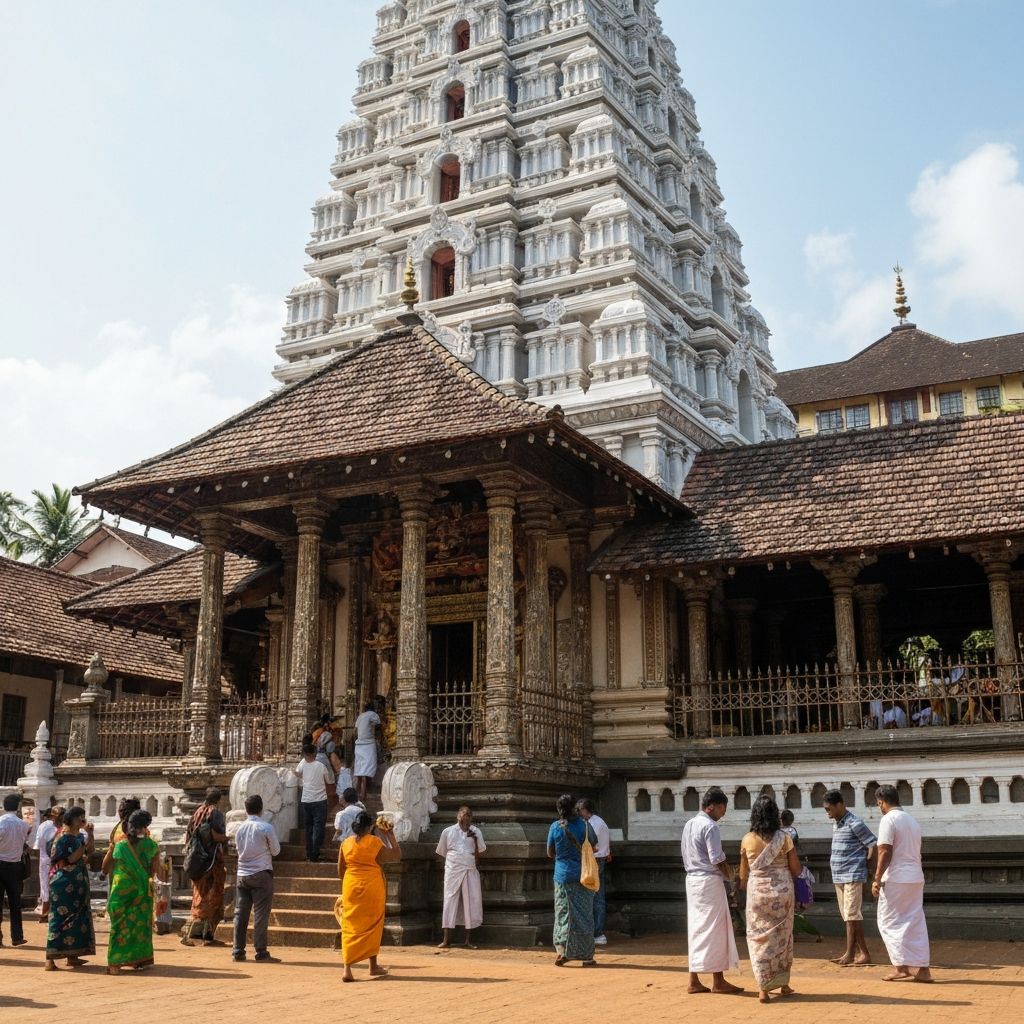
Sacred City of Kandy

Sinharaja Forest Reserve

Golden Temple of Dambulla

Central Highlands
Culture & Traditions
Experience vibrant festivals, ancient rituals, and living traditions that have endured for millennia
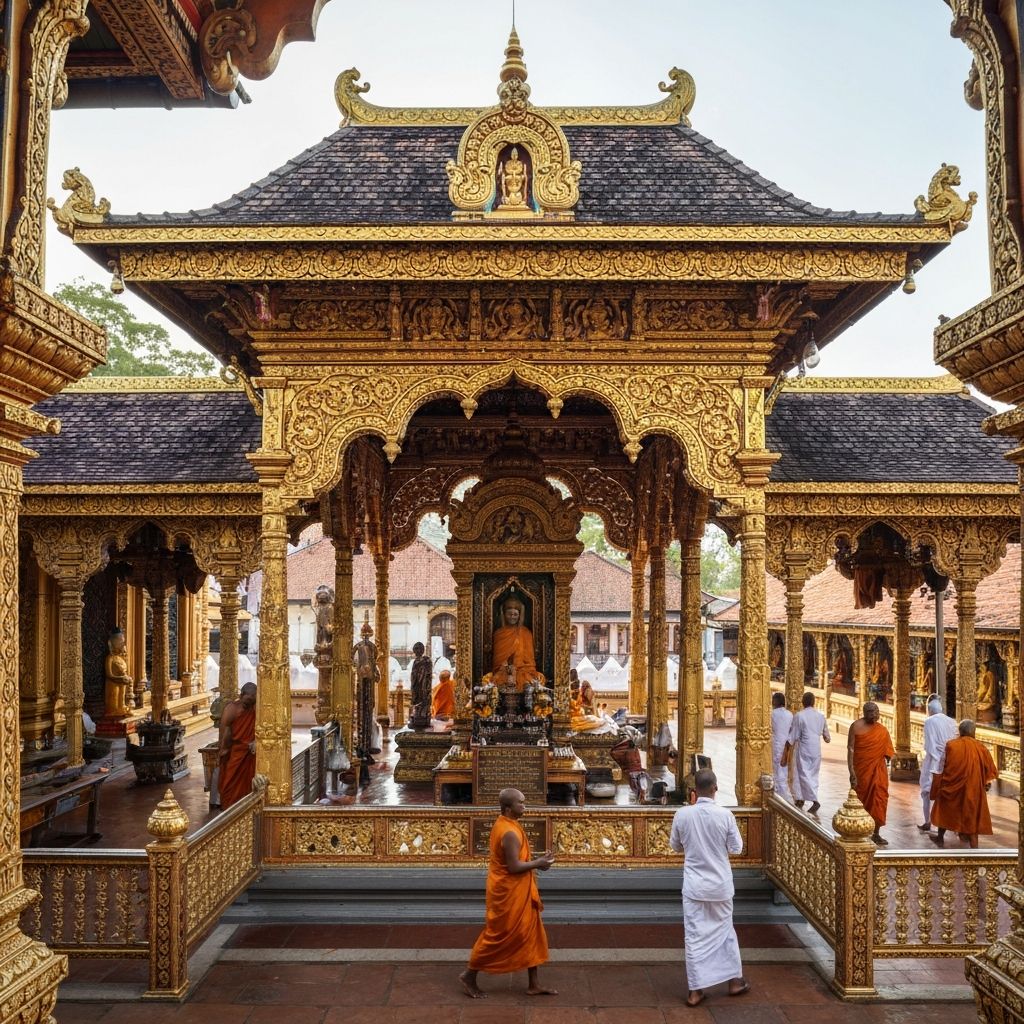
Buddhist Festivals
Experience the magical atmosphere of Vesak with illuminated pandals and lanterns celebrating Buddha's birth, enlightenment, and passing. The spectacular Esala Perahera in Kandy features over 100 decorated elephants, traditional dancers, and drummers parading through ancient streets.
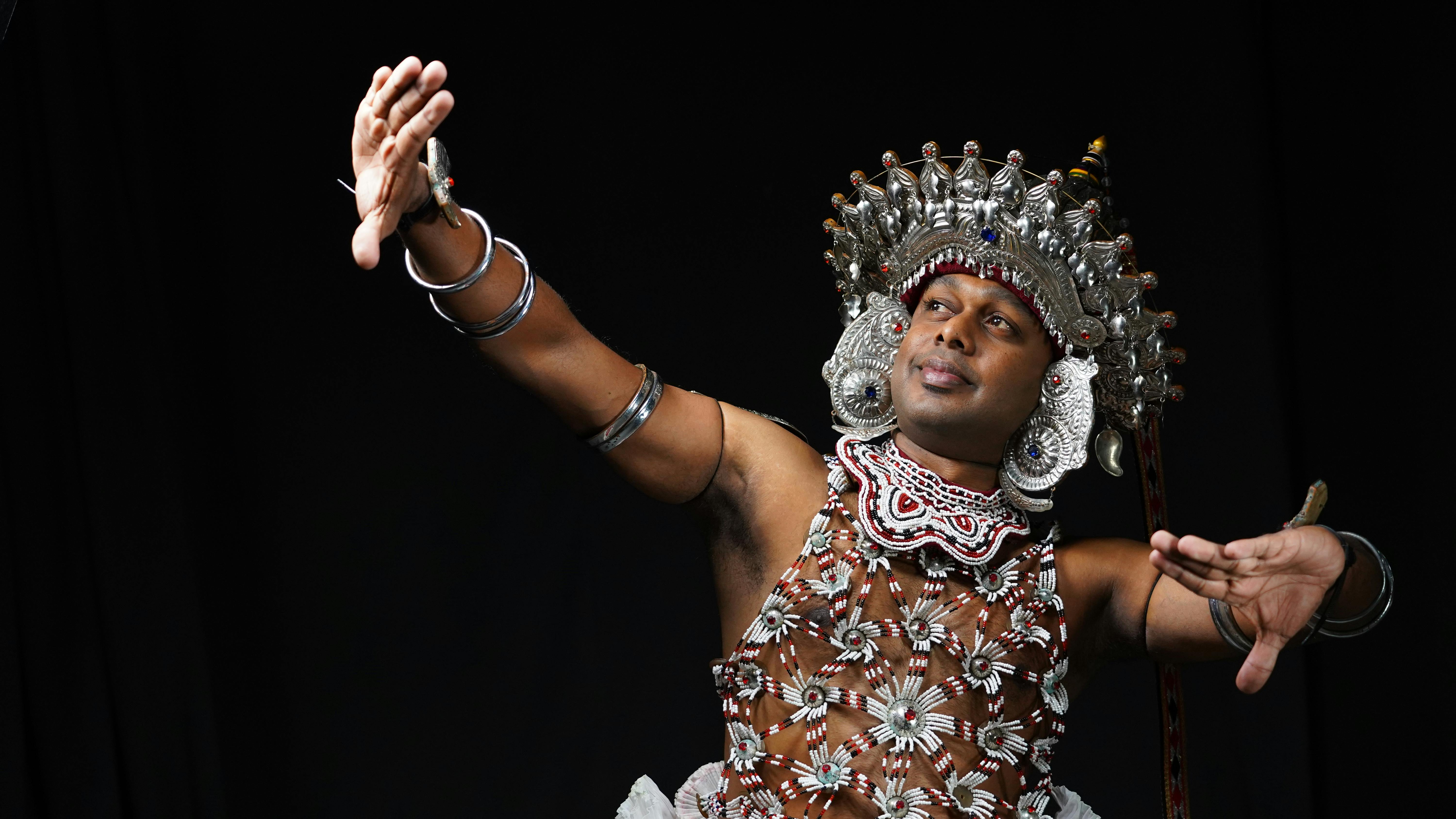
Traditional Dance & Music
Sri Lanka's performing arts are a feast for the senses. Kandyan dance features elaborate costumes with silver ornaments and rhythmic movements. Low Country devil dancing combines exorcism rituals with acrobatic performances. The thundering drums and graceful movements tell stories of ancient legends.
Ayurveda & Wellness
For over 3,000 years, Sri Lankans have practiced Ayurveda, an ancient system of natural healing. Today, you can experience authentic treatments at specialized resorts, from herbal massages to meditation retreats, all using locally grown medicinal plants.
Ceylon Tea Heritage
Sri Lanka is the world's fourth-largest tea producer, renowned for the distinctive flavor of Ceylon tea. Visit highland plantations dating back to the 1800s, witness the plucking and processing, and enjoy tastings with panoramic mountain views.
A Feast for the Senses
Sri Lankan cuisine is an explosion of flavors – aromatic spices, fresh coconut, and unique cooking techniques create dishes you won't find anywhere else. From fiery curries to sweet tropical treats, prepare for a culinary adventure.
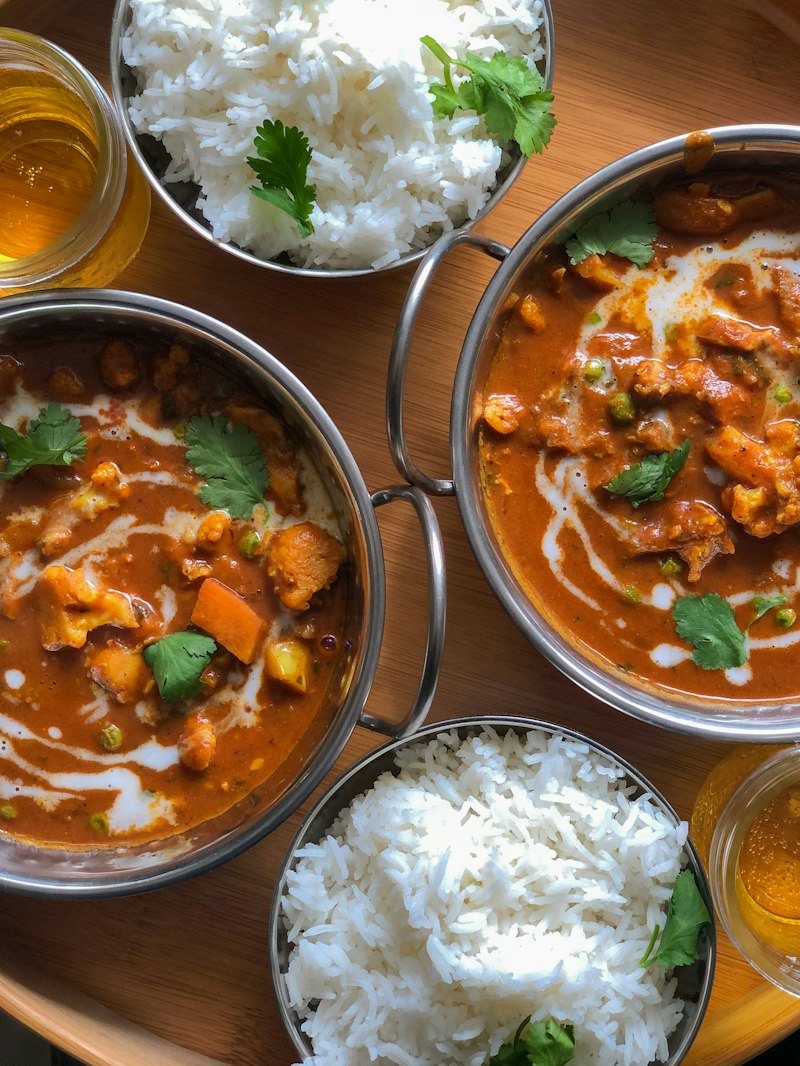
Rice & Curry
The heart of Sri Lankan cuisine - steamed rice served with an array of curries, sambols, and accompaniments. Each region has unique variations.
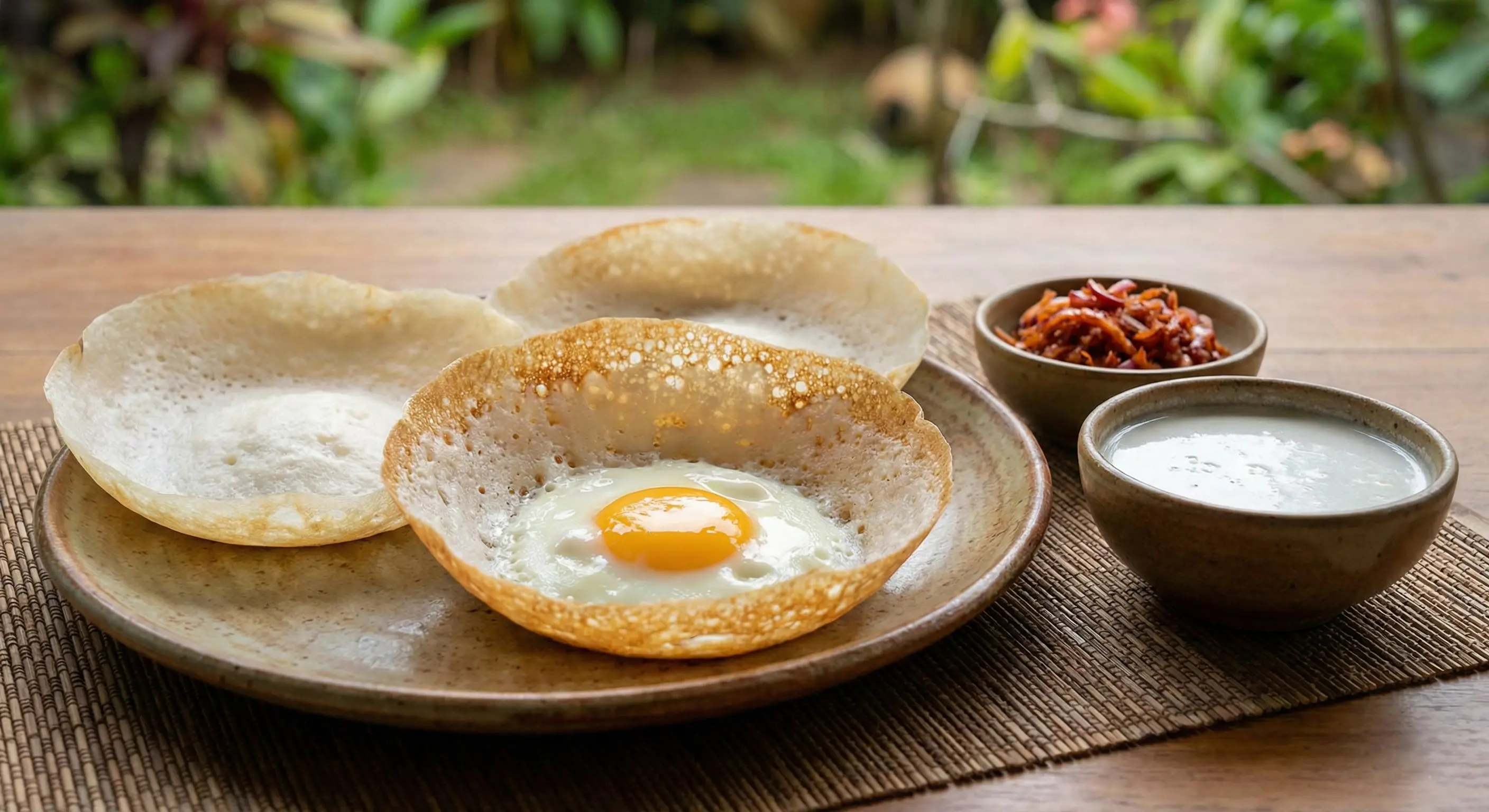
Hoppers (Appa)
Bowl-shaped crispy pancakes made from fermented rice flour, often served with an egg in the center for breakfast.
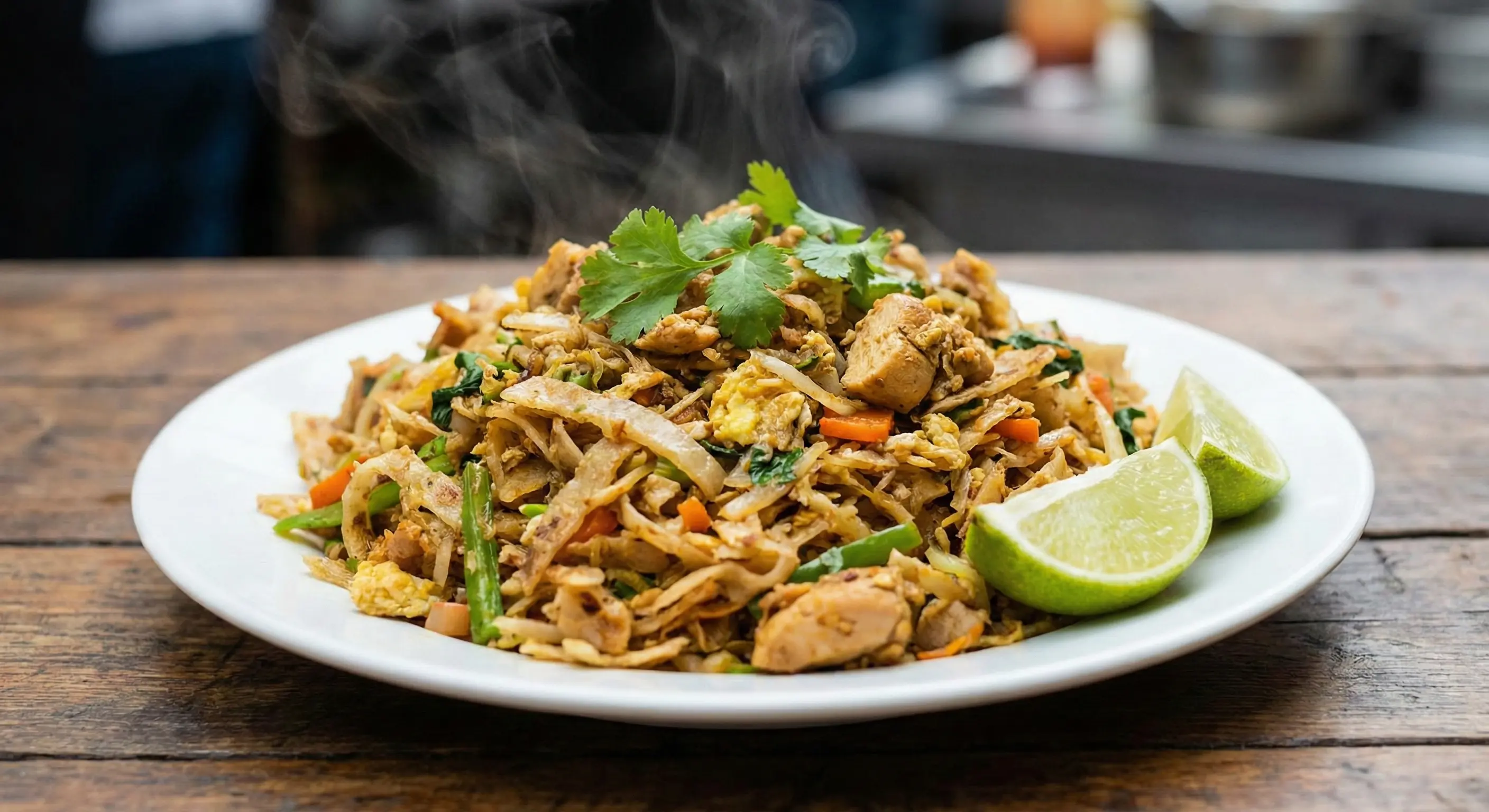
Kottu Roti
Chopped flatbread stir-fried with vegetables, eggs, and meat on a hot griddle - the rhythmic chopping is iconic street food theater.
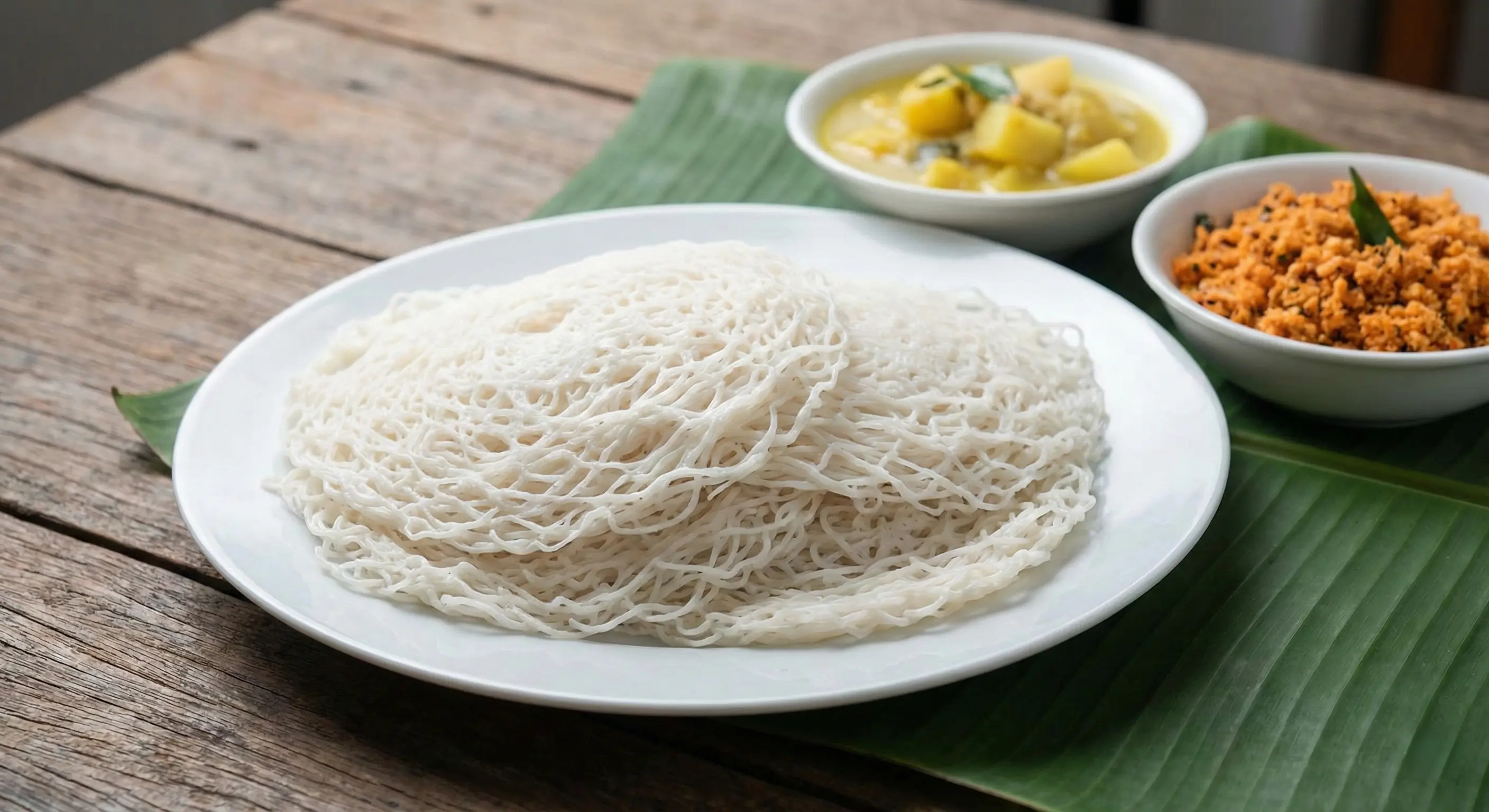
String Hoppers
Delicate nests of steamed rice noodles, typically served at breakfast with curry and coconut sambol.
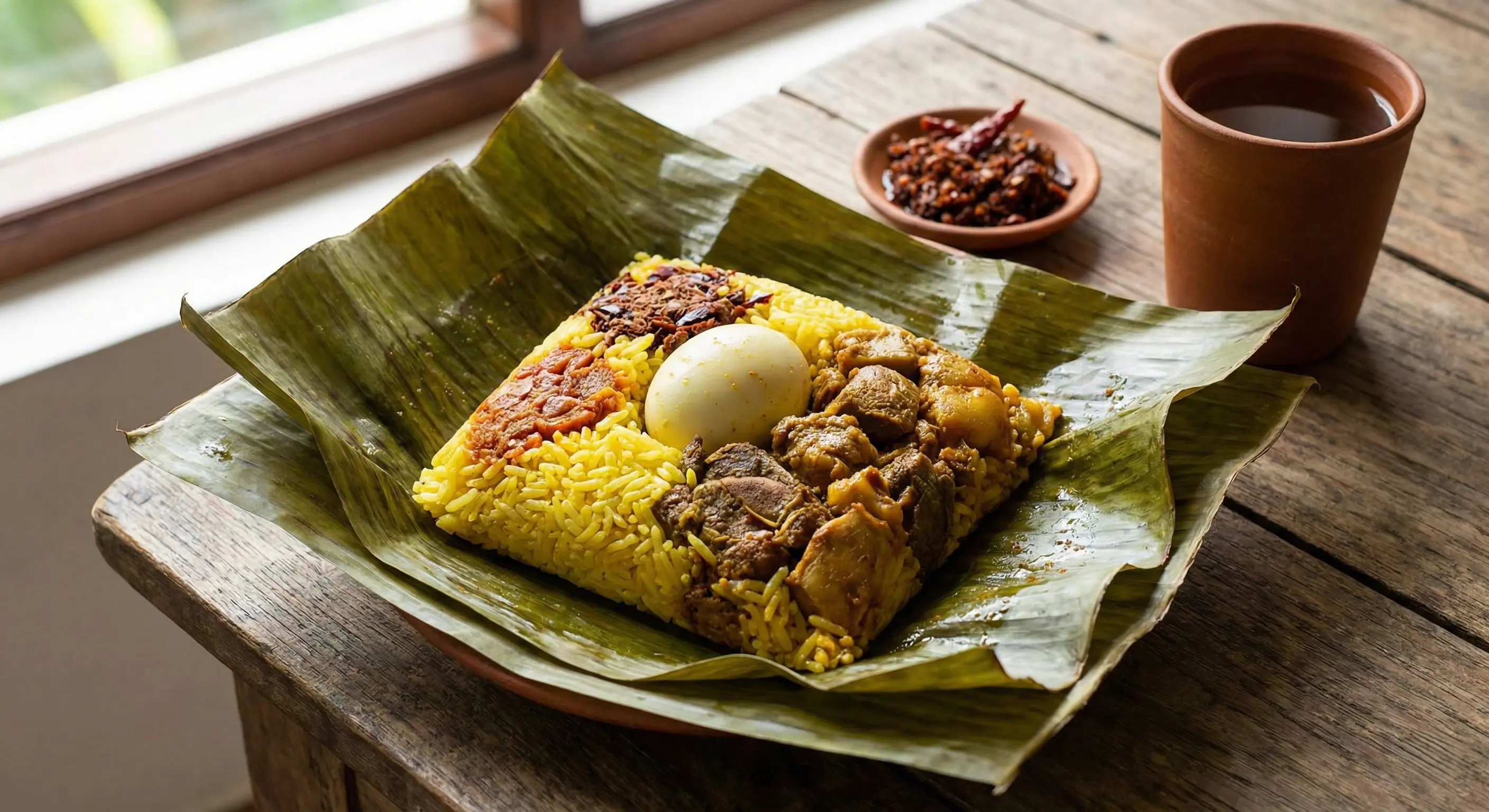
Lamprais
A Dutch Burgher heritage dish - rice cooked in stock with curry, served wrapped in banana leaf and baked.
Rice & Curry
The heart of Sri Lankan cuisine - steamed rice served with an array of curries, sambols, and accompaniments. Each region has unique variations.
Hoppers (Appa)
Bowl-shaped crispy pancakes made from fermented rice flour, often served with an egg in the center for breakfast.
Kottu Roti
Chopped flatbread stir-fried with vegetables, eggs, and meat on a hot griddle - the rhythmic chopping is iconic street food theater.
String Hoppers
Delicate nests of steamed rice noodles, typically served at breakfast with curry and coconut sambol.
Lamprais
A Dutch Burgher heritage dish - rice cooked in stock with curry, served wrapped in banana leaf and baked.
World's Best Ceylon Spices & Tea
Authentic flavors since ancient times
One Island, Every Climate
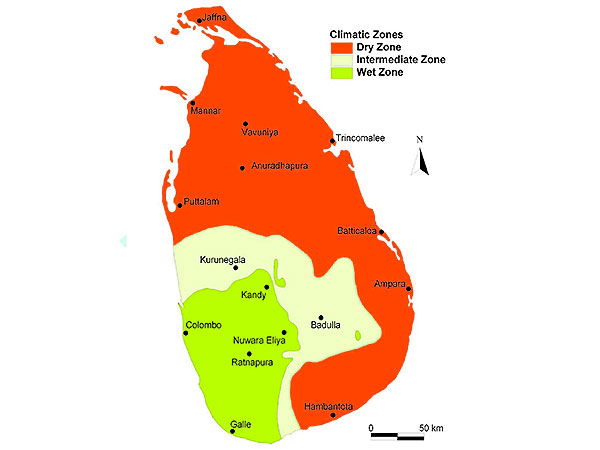
Sri Lanka's unique geography creates diverse microclimates across the island. From tropical beaches to cool mountains, there's always a perfect destination waiting for you – no matter when you visit!
Tropical Lowlands & Coastal
West, South & North
Warm tropical weather year-round with temperatures between 26-35°C. The west and south coasts are best from November to April.
Cool Hill Country
Kandy, Ella, Nuwara Eliya
Escape to temperatures between 15-22°C year-round! Misty mountains, tea plantations, waterfalls, and stunning train journeys.
East Coast Paradise
Trincomalee to Arugam Bay
Best weather from April to September – perfect when the west has monsoon rains. Ideal for surfing, diving, and pristine uncrowded beaches.
Perfect Weather Awaits!
No matter when you visit, there's always a region with ideal weather. Experience beaches, mountains, or rainforests – all in one trip!
Tropical Lowlands & Coastal
West, South & North
Warm tropical weather year-round, 26-35°C. Best Nov-Apr.
East Coast Paradise
Trincomalee to Arugam Bay
Best Apr-Sep. Surfing, diving, uncrowded beaches.
Cool Hill Country
Kandy, Ella, Nuwara Eliya
15-22°C year-round. Tea estates, waterfalls, train journeys.
Perfect Weather Awaits!
There's always a region with ideal weather – beaches, mountains, or rainforests!
Travel Essentials
Everything you need to know before your Sri Lankan adventure
Getting There
Bandaranaike International Airport (CMB) near Colombo is the main gateway. Many international airlines operate direct flights from Asia, Middle East, Europe, and Australia.
Currency & Costs
Sri Lankan Rupee (LKR). Budget travelers: $30-50/day. Mid-range: $50-150/day. Luxury: $200+/day. Credit cards accepted in cities; carry cash for rural areas.
Language
Sinhala and Tamil are official languages. English is widely spoken in tourist areas, hotels, and by younger generations. Learning a few Sinhala phrases is appreciated!
Safety & Health
Generally very safe for tourists. Drink bottled water, use mosquito repellent, and stay hydrated. Healthcare is good in cities. Travel insurance is recommended.
Connectivity
4G mobile networks cover most areas. Tourist SIM cards are affordable at the airport. WiFi available in hotels and cafes. Power: 230V, Type D/G plugs.
Getting Around
Trains offer scenic journeys. Private drivers are affordable and flexible. Tuk-tuks for short trips. Domestic flights available. Right-hand traffic.
Respect & Etiquette
A few simple gestures will earn you respect and warm smiles from locals
Remove shoes before entering temples and homes
Dress modestly at religious sites (cover shoulders and knees)
Use your right hand for greeting and eating
Ask permission before photographing people or sacred sites
Don't pose with Buddha statues or turn your back to them
Don't touch someone's head - it's considered sacred
Don't point with your finger or feet at people or objects
Don't display excessive public affection